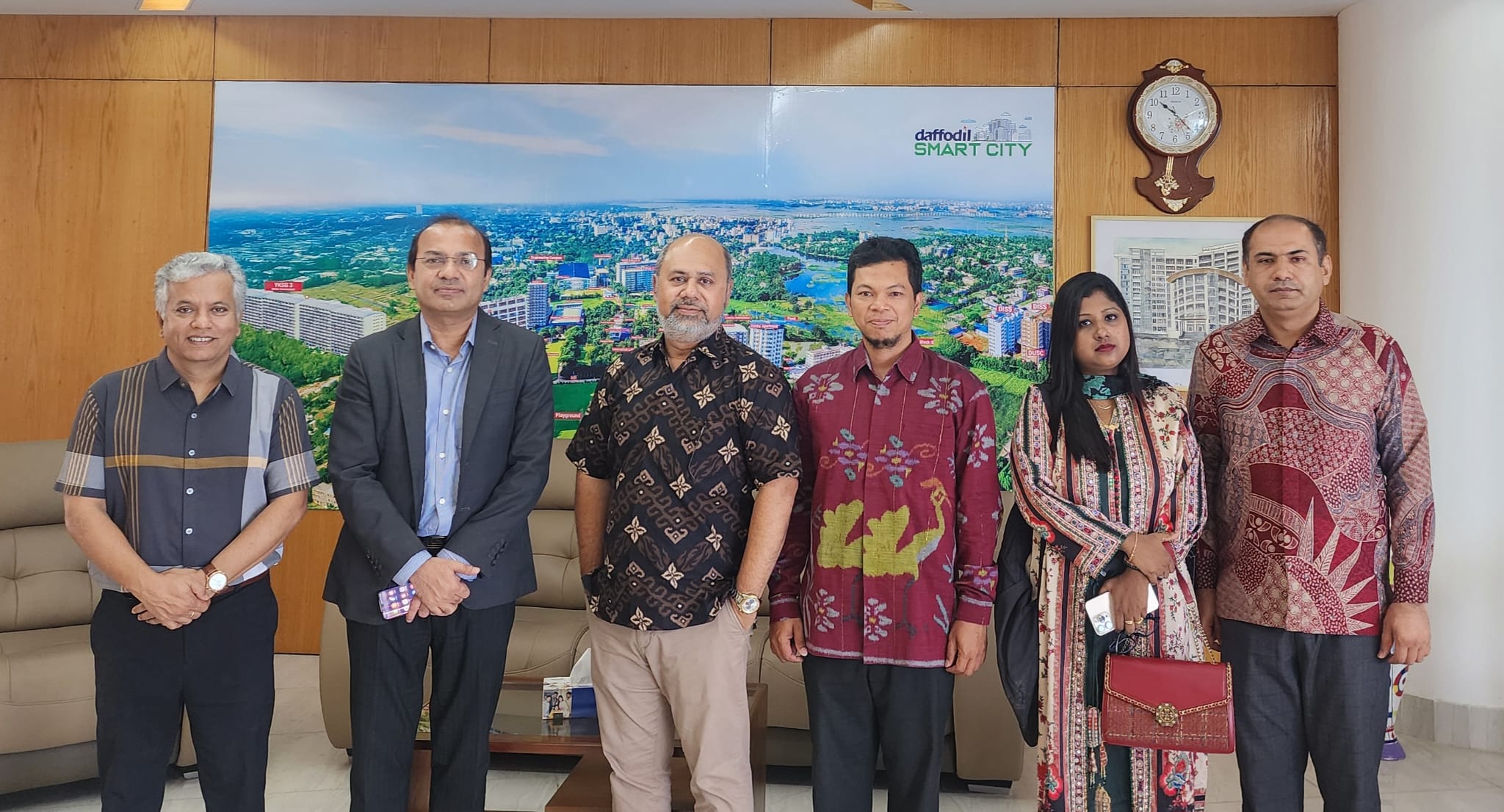
Bangladesh – Efforts to raise public awareness regarding the dangers of indoor air pollution were once again highlighted through an international community engagement program organized by the World University Association for Community Development on 10 May 2026. The program brought together international collaboration among Universitas Airlangga, Daffodil International University, Federation University, and Jahangirnagar University to educate communities in rural Bangladesh about the health risks associated with indoor air pollution.
The two-day program was conducted in rural areas surrounding Comilla District, Bangladesh, under the theme “Increase Awareness on Indoor Air Pollution.” The initiative also involved the local non-governmental organization SHISUK as an on-site implementation partner. Through this collaboration, academics and community practitioners worked together to deliver direct education and environmental health awareness to local residents, particularly vulnerable groups affected by household air pollution.
This international community service activity formed part of the implementation of the LPDP-funded DAPT EQITY scheme awarded to Universitas Airlangga in 2025. Through the program, lecturers and practitioners directly engaged with local communities to provide education regarding the health impacts of indoor air pollution, especially among women and children who are highly exposed to smoke produced from traditional household fuel combustion.
The service team conducted field visits from house to house to engage directly with residents. During these sessions, the community received information about major sources of indoor air pollution, including firewood usage, poor household ventilation, and smoke exposure from daily cooking activities. In addition, residents were introduced to practical and simple measures that could help reduce health risks caused by domestic air pollution.
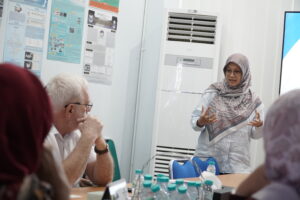
Beyond community outreach, the program also reached academic audiences through an international symposium held at Daffodil International University. The symposium became a collaborative discussion forum involving lecturers, students, researchers, and community partners to discuss environmental health challenges in developing countries and emphasize the importance of global collaboration in strengthening research-based community engagement initiatives.
WUACD Coordinator, Dr. Eng. Sapto Andriyono, expressed his appreciation for the successful implementation of the program. According to him, collaborative international programs such as this play an important role in expanding the direct impact of universities on society.
“The impact of WUACD is expected to become even broader, not only within academic institutions but also directly benefiting society. This activity demonstrates that collaboration among universities and local partners can provide real solutions to environmental health issues,” he explained.
Dr. Sapto, who is also a lecturer at the Faculty of Fisheries and Marine, Universitas Airlangga, was actively involved in supervising the program implementation alongside the program PIC, Dr. Muhammad Saud. Both emphasized that direct community engagement remains one of the most effective strategies for building public awareness regarding environmental health issues.
Through this initiative, WUACD hopes that international collaboration in community service programs will continue to grow and become a global partnership model with broader social impact. In addition to strengthening international academic networks, the program also demonstrated the strategic role of higher education institutions in addressing social and public health challenges through collaborative and research-based community engagement.
Writer : Sapto Andriyono
Editor : TPA