Environmental pollution of aquatic systems has reached alarming levels worldwide, and Indonesia is no exception. While solid waste and industrial effluents already damage water bodies, the lesser‑recognized threat of high‑temperature thermal discharge is now emerging as a serious challenge for aquatic sustainability.
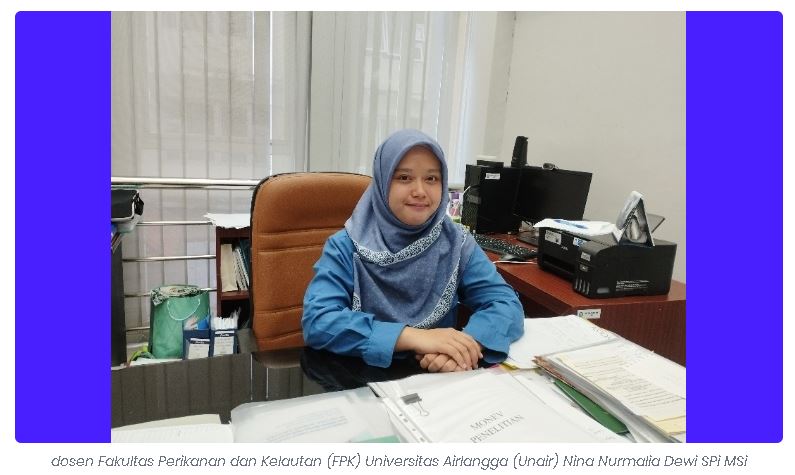
Employees at the Faculty of Fisheries and Marine Science (FPK) of Universitas Airlangga, including Dr. Nina Nurmalia Dewi, emphasize that thermal pollution in Indonesia carries far‑reaching consequences across ecological, socioeconomic and governance dimensions. She explains that the issue demands urgent academic attention and collaborative action.
In Indonesia, thermal pollution typically originates from high‑temperature effluents from power plants and industrial operations, which elevate water temperature rapidly. Such thermal changes can disturb aquatic life and alter water‑quality parameters critical for ecosystem health. “Thermal pollution can raise water temperature and thereby accelerate aquatic organisms’ metabolic rates. At the same time, warmer water reduces dissolved oxygen, meaning the heightened oxygen demand from increased metabolism cannot be met, which can lead to mortality,” she stated in Surabaya on Wednesday (21/5/2025).
Dr. Nina stresses that shifts in water‑quality parameters caused by thermal discharge can lead to mass mortality of aquatic populations, disrupt food chains in the aquatic ecosystem, and consequently diminish apex predator populations. This imbalance can undermine the entire trophic‑structure of aquatic environments.
Moreover, the socioeconomic effects of thermal pollution are equally concerning: declines in fish catch threaten fishermen’s livelihoods and erode the welfare of coastal communities impacted by thermal discharge from power plants.
When it comes to effective solutions, Dr. Nina calls for rigorous regulatory supervision to prevent abuse or mismanagement of thermal‑waste treatment processes. Indonesia’s Regulation by the Minister of Environment and Forestry No. 6 of 2021 lays out procedures and requirements for the management of toxic and hazardous waste, including that from power‑generation plants. She argues that government enforcement—ensuring companies have full environmental impact assessment documentation (AMDAL) and properly treat thermal effluents—is essential. In addition, she highlights community‑monitoring of thermal‑waste processes as a critical part of the solution.