The Faculty of Fisheries and Marine Sciences, Universitas Airlangga (FPK UNAIR), demonstrated strong institutional commitment and collective enthusiasm during the Coretax and Annual Tax Return (SPT) Reporting Socialization held on Wednesday, 11 February 2026, at Room B 302 FPK UNAIR. Following the discussion of the urgency and strategic importance of the program in Part 1, this session highlighted the active participation of lecturers and educational staff who attended the event. Their engagement reflected a growing awareness of the importance of tax compliance and digital administrative transformation within higher education institutions.
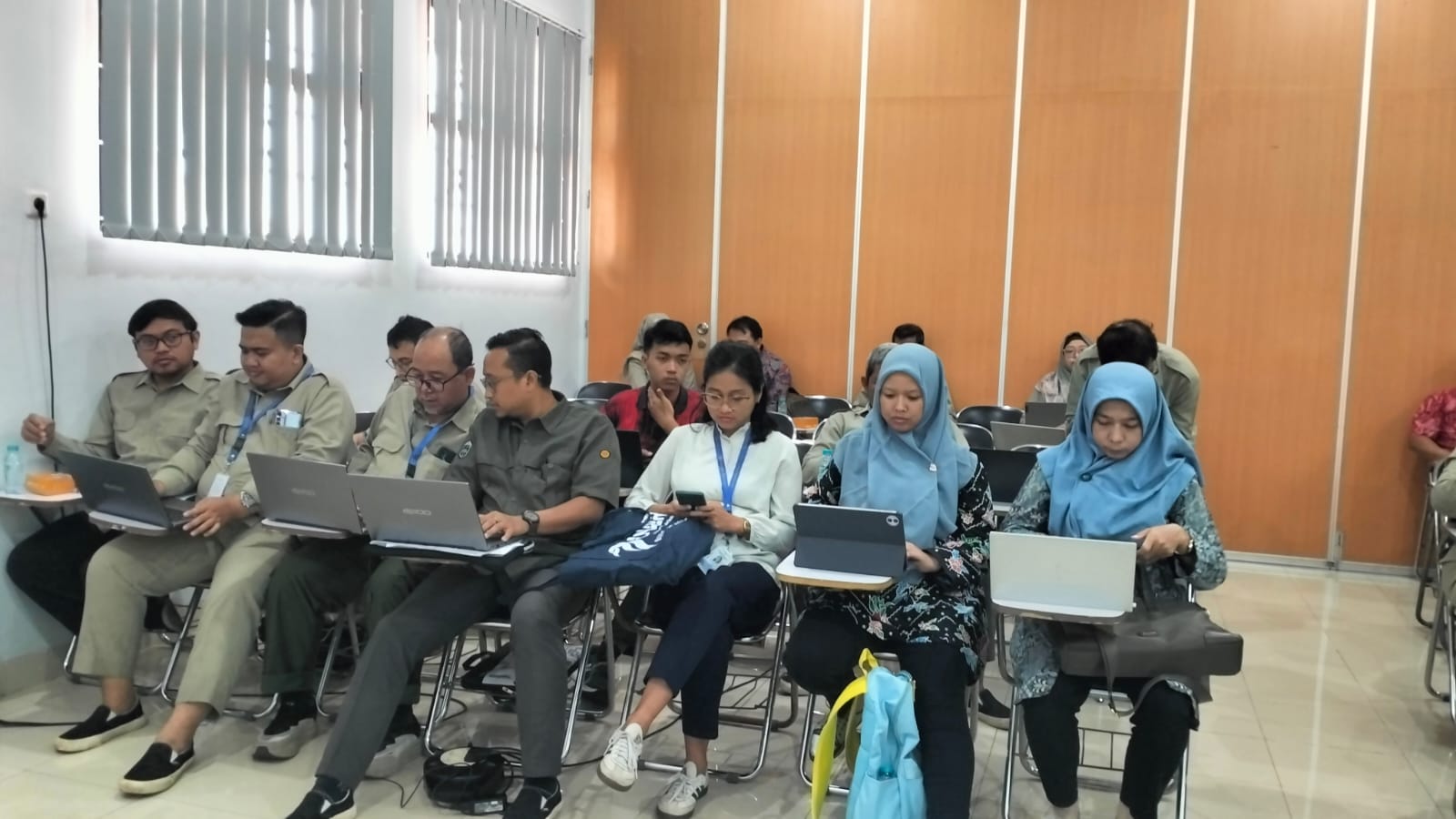
The activity commenced with a comprehensive presentation delivered by the Directorate of Finance of Universitas Airlangga, outlining recent updates to the Coretax system and detailed procedures for Individual Taxpayer Annual Tax Return (SPT) reporting. The material was structured systematically, beginning with fundamental taxation policies and regulatory updates before progressing to practical simulations of digital reporting processes. Participants were guided step by step through the technical aspects of filing and submitting annual tax reports using the Coretax platform. The socialization session covered the latest tax reporting policies, introduced key features and mechanisms within the Coretax system, provided hands-on simulations for completing Annual Tax Returns, and concluded with an interactive question-and-answer session accompanied by direct technical assistance. Throughout the session, lecturers and staff actively took notes, engaged in discussions, and practiced reporting procedures using their own devices. This interactive and application-based approach ensured that participants gained not only theoretical understanding but also practical competence in operating the digital tax reporting system accurately and efficiently.
The event was attended by dozens of lecturers and educational staff members representing various study programs and administrative units within FPK UNAIR. The diversity of participants demonstrated a broad institutional commitment to strengthening administrative discipline and regulatory compliance. Such wide participation reflects a collective awareness that tax reporting is not merely an individual obligation, but also a shared institutional responsibility that supports transparency and accountability. The presence of multiple elements of the academic community further reinforced the faculty’s internal collaboration spirit in building a professional administrative culture. By ensuring that all academic and administrative personnel understand and comply with taxation procedures, FPK UNAIR strengthens its internal governance framework, which ultimately supports its academic excellence, research productivity, and community service performance in fisheries and marine sciences.
The collaboration between FPK UNAIR and the Directorate of Finance of Universitas Airlangga represents a concrete implementation of SDG 17 (Partnerships for the Goals), emphasizing the importance of institutional synergy in achieving sustainable governance systems. Through this partnership, the faculty enhances its administrative capacity while ensuring compliance with national regulations in an increasingly digital environment. Furthermore, orderly tax compliance contributes indirectly to national development financing, including support for marine and fisheries sector advancement aligned with SDG 14 (Life Below Water). As an institution dedicated to fisheries and marine sciences, FPK UNAIR recognizes that responsible governance and tax compliance are interconnected with broader sustainable development agendas. By fostering active participation, strengthening technical understanding, and promoting collaborative governance, FPK UNAIR continues to position itself as a faculty that not only excels academically but also upholds integrity, transparency, and accountability in every aspect of institutional management.
FPK UNAIR lecturers and staff actively participated in Coretax socialization to strengthen tax compliance, digital reporting skills, and institutional governance.