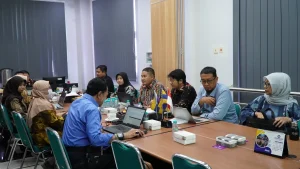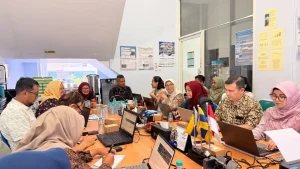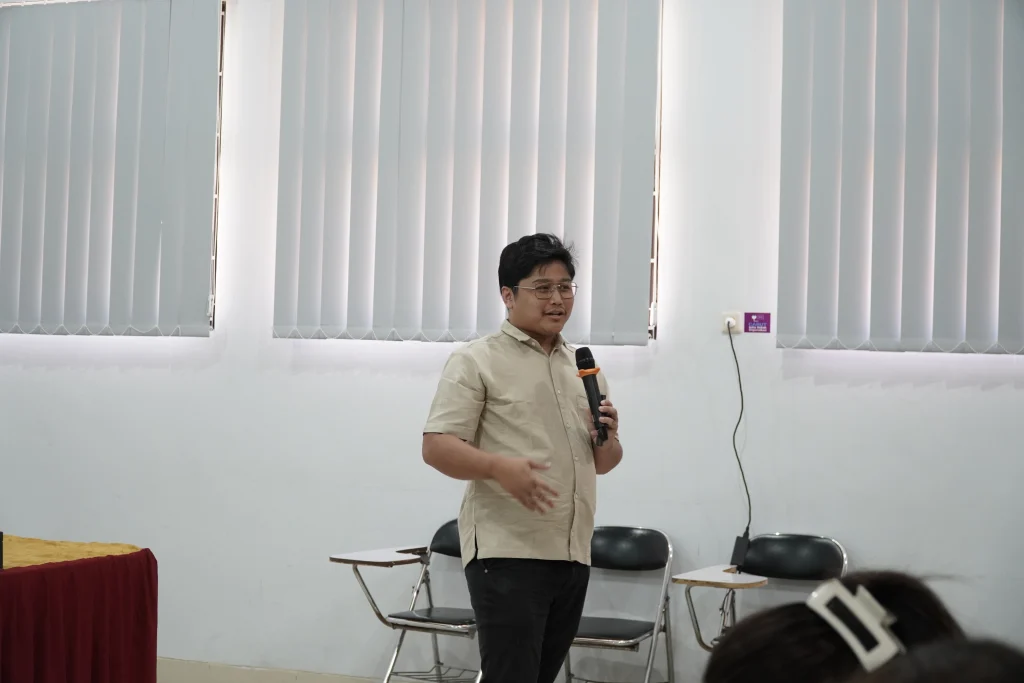
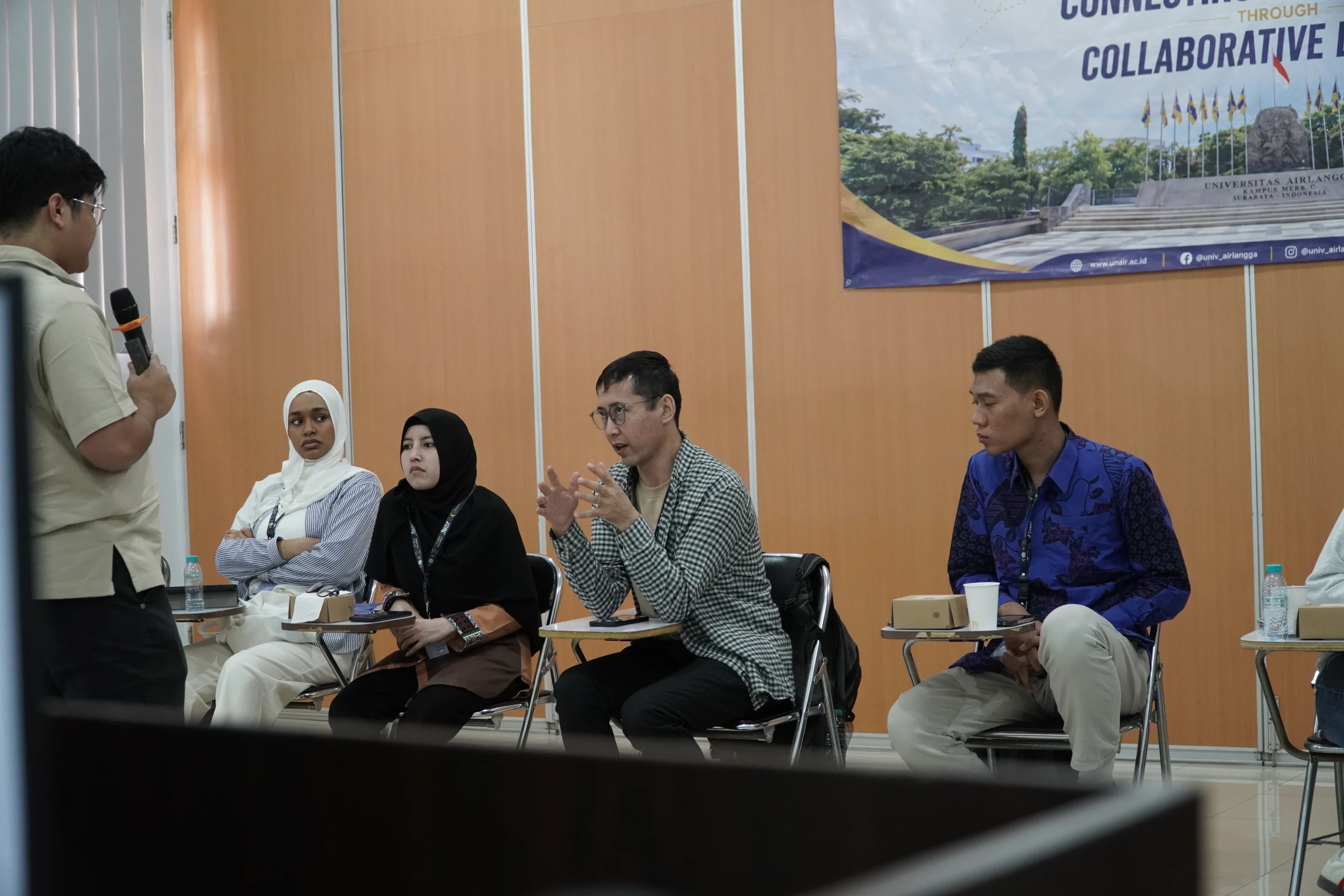
The 2026 Join International Class (JIC) program at Universitas Airlangga once again brought participants closer to technological developments in fisheries and marine sciences. On Wednesday, August 12, 2026, participants attended a session titled “Non-Destructive Testing in Fisheries Products”, delivered by Terry Previo Avianto, S.Pi., M.Si., at the Faculty of Fisheries and Marine (FPK) UNAIR. The session introduced developments in food instrumentation and the application of food product testing technologies, particularly for fisheries products, to support food safety, quality, and product competitiveness.
The Growing Need for Food Testing Technology
The development of the fisheries products industry has increased the need for testing systems capable of ensuring food safety and quality. Consumers are becoming increasingly concerned about food safety, while Indonesian fisheries products continue to expand toward global markets through the implementation of standards such as Hazard Analysis and Critical Control Point (HACCP). These developments make food testing technologies increasingly important in supporting regulatory compliance and maintaining consumer confidence.
Laboratory testing has traditionally been one of the primary approaches used to ensure product quality. However, this method has several limitations, including relatively high costs, specialized equipment, the need for trained personnel, and lengthy testing procedures. As presented during the session, sample testing may take approximately two to three days before the results can be obtained.
Non-Destructive Testing as an Alternative Approach
As an alternative, Non-Destructive Testing (NDT) was introduced as a range of analytical techniques and sensor technologies capable of evaluating the physical, chemical, structural, and biological properties of food products without altering or damaging the samples. This approach enables broader and more continuous inspection throughout production lines.
Terry also explained the direction of NDT research and development, beginning with proof-of-concept studies through comparisons with laboratory methods as the gold standard, followed by the development of devices tailored to industrial needs and the evaluation of their applications at both laboratory and pilot scales.
Through this session, JIC 2026 participants gained insights into how technological innovation can address the needs of the fisheries industry while improving the efficiency of testing processes. The learning experience reflects FPK UNAIR’s commitment to providing quality education (SDG 4) and strengthening partnerships for sustainable development (SDG 17) through learning and knowledge exchange in an international context.
Writer: Alejandro Ahmad Zuhayr
Editor : TPA