When Household Waste Is No Longer Just Waste
Household waste is something people encounter almost every day. However, not all waste has to end up in the trash. Through Eco Enzyme Innovation, SALMON 2026, through its Environmental Division, invited residents of Begaganlimo Village to learn a simple way to repurpose household waste into something useful.
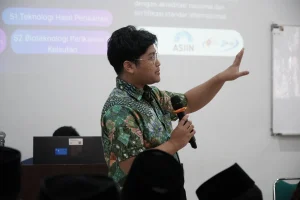
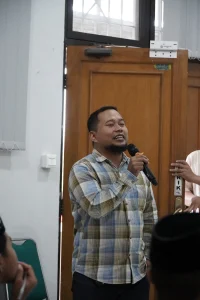
Held on Monday, August 3, 2026, the activity brought together residents of Begaganlimo Village and the SALMON 2026 committee. The educational session introduced eco enzyme, covering the types of materials that can be used, the production process, and its potential applications in daily life.
Learning Goes Beyond Theory
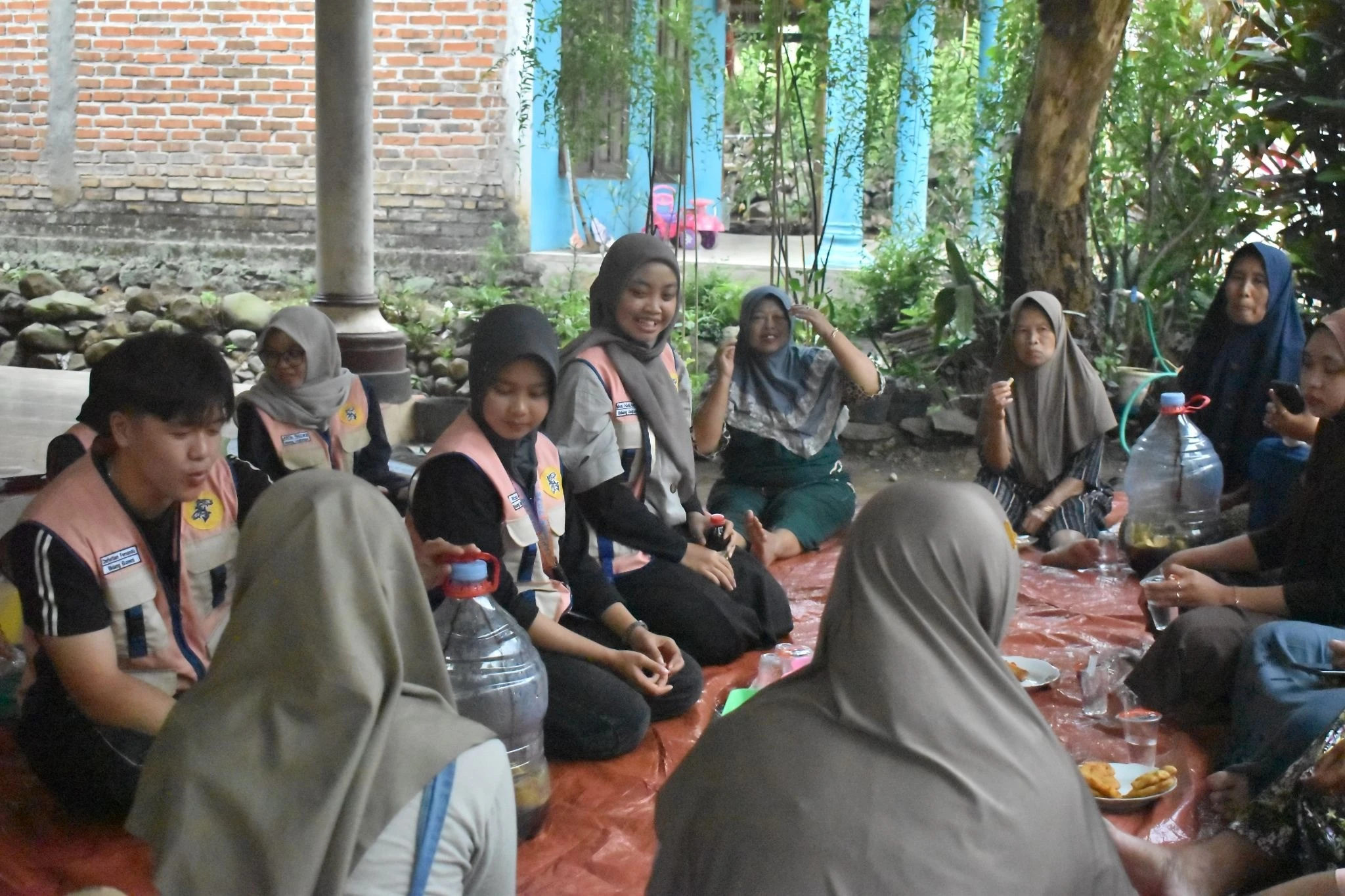
After receiving an explanation about eco enzyme, the residents were invited to directly practice the production process. Easily accessible household materials were used during the session, allowing participants to see firsthand how materials that are commonly discarded can be processed and reused.
The hands-on practice became an important part of the activity because participants not only gained information about eco enzyme but also learned the basic steps for producing it independently. The knowledge gained is expected to be applied at home by utilizing materials readily available in their surrounding environment.
“In my opinion, the Eco Enzyme Innovation activity is very beneficial because it provides residents with new knowledge about how to process household waste into something more useful. Hopefully, this knowledge can be applied in each household so that the environment becomes cleaner and healthier.” — Iqlima, Person in Charge of the Eco Enzyme Innovation Work Program, SALMON 2026
From Household Waste to Something Useful
Through this activity, residents gained new knowledge about processing household waste into eco enzyme. The resulting product can be used for various household purposes, such as bathroom cleaning and as one of the ingredients in making handwashing soap.
Beyond simply introducing a product, the activity encouraged residents to reconsider their everyday household waste management habits. Materials that were previously considered useless can still be utilized when processed properly.
The Eco Enzyme Innovation activity also contributes to the Sustainable Development Goals (SDGs), particularly SDG 12 (Responsible Consumption and Production) through the reuse of household waste into products with practical value. The activity also supports SDG 13 (Climate Action) by introducing more environmentally friendly approaches to waste management.
Ultimately, Eco Enzyme Innovation serves as a simple step toward showing that responsible waste management can begin at home. The knowledge gained is expected to extend beyond the completion of the activity and encourage the residents of Begaganlimo Village to apply and further develop these practices in their daily lives.
Writer : Raya Aisyahra
Editor : Alejandro Ahmad Zuhayr