In a spirit of care, innovation, and leadership development, the Ministry of Internal Empowerment and Development of the Student Executive Board at the Faculty of Fisheries and Marine Sciences, Universitas Airlangga (FPK Unair), proudly launched its flagship program, Executive School 2025. Designed as a structured internship program, Executive School 2025 provides students with hands-on organizational experience within student associations and the Student Executive Board, preparing them to become future leaders who are academically grounded and socially responsible.
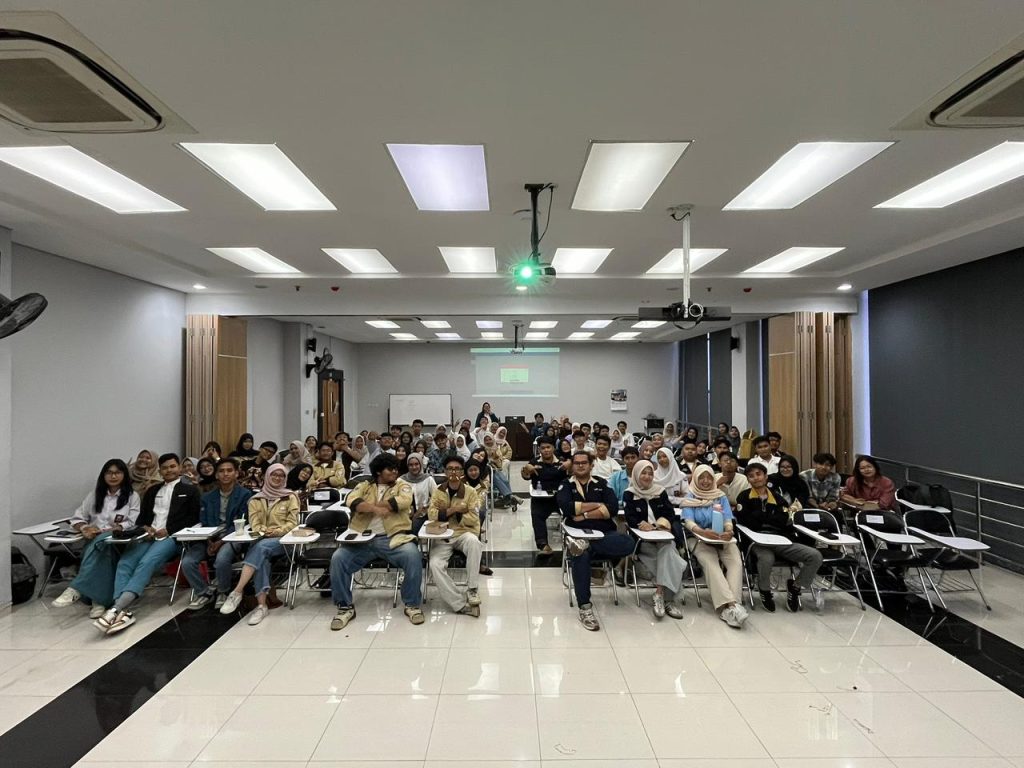
Executive School 2025 was initiated by the Ministry of Internal Empowerment and Development under the Student Executive Board of the Faculty of Fisheries and Marine Sciences, Universitas Airlangga, as part of its commitment to strengthening internal capacity and organizational sustainability. The program specifically targets first-year students of FPK Unair, aiming to introduce them to the dynamics of student governance, leadership, and collaborative project management from an early stage of their academic journey. Through a carefully structured internship scheme, participants are immersed in the operational environment of Student Associations (Himpunan Mahasiswa) and the Student Executive Board, enabling them to understand institutional structures, work systems, and strategic planning processes. The program began with an engaging Welcome Party, where interns were introduced to the organizational culture, internship roadmap, and expectations for the program. The event created a vibrant and supportive atmosphere, allowing new students to interact with senior members and fellow interns. This initial gathering served not only as a ceremonial opening but also as a platform to establish motivation, clarify objectives, and foster a sense of belonging within the academic community of FPK Unair.
Following the welcoming session, Executive School 2025 continued with an intensive proposal-writing class designed to equip participants with essential academic and managerial competencies. In this session, interns learned how to design structured, feasible, and innovative project proposals aligned with the vision and mission of each division, department, and ministry within the student organization. The training emphasized critical thinking, problem identification, budgeting, and impact analysis—skills that are highly relevant not only in organizational contexts but also in academic research and community engagement activities. After completing the training phase, participants were assigned to develop proposals within their respective divisions or ministries, encouraging them to translate theoretical knowledge into practical planning documents. The process culminated in a proposal presentation session, where each team presented their work before a panel of organizing committee members and senior students. This moment became a significant milestone, as interns received constructive feedback aimed at refining their leadership abilities, communication skills, and strategic perspectives. Complementing this process, focused group discussions were conducted to encourage deeper dialogue, exchange of ideas, and collaborative problem-solving. These discussions nurtured an atmosphere of intellectual engagement and innovation, reflecting the academic character of FPK Unair as an institution committed to excellence in fisheries and marine sciences.
One of the most inspiring highlights of Executive School 2025 was the final project: a Mangrove Planting Initiative fully organized and managed by the interns themselves. Demonstrating a strong sense of collective responsibility, the participants planned, coordinated, and executed a mangrove planting activity at the Wonorejo Mangrove Park in Rungkut, Surabaya. This initiative represented the tangible application of their managerial training while reinforcing FPK Unair’s commitment to environmental sustainability and community service. Mangrove ecosystems play a crucial role in supporting fisheries productivity, protecting coastal areas from erosion, and maintaining biodiversity, making the project highly relevant to the faculty’s academic focus on sustainable fisheries and marine resource management. Beyond strengthening participants’ organizational and leadership competencies, the activity delivered real ecological benefits and fostered environmental awareness among students. By directly engaging in coastal conservation efforts, interns experienced how academic values, research-based knowledge, and community service can be integrated into meaningful action. The program concluded with a vibrant Closing Party, where participants reflected on their experiences, celebrated achievements, and strengthened bonds with peers and organizational functionaries. Through Executive School 2025, FPK Unair once again demonstrated its commitment to nurturing transformative student leaders who are prepared to contribute academically, socially, and environmentally at local and global levels.