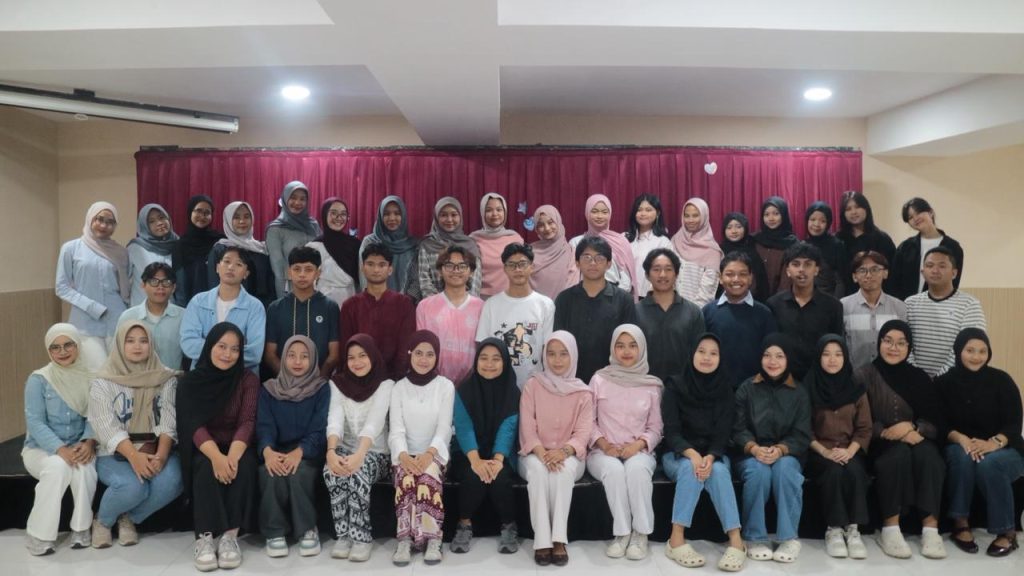
Following the introductory sessions, the program continued with interactive activities designed to enhance teamwork and communication. Through group discussions, coordination simulations, and collective reflections, participants were encouraged to understand the importance of effective communication within student governance.
The activity involved dozens of students from different cohorts, emphasizing continuity and regeneration within the organization. Cross-cohort engagement strengthened personal connections and clarified individual responsibilities within the organizational structure.
The primary objective was to establish a solid foundation for future programs to run effectively and cohesively. Strong communication from the outset minimizes potential miscommunication and internal fragmentation. This is particularly significant given the strategic role of student organizations in supporting academic activities, student development, and scholarly contribution in aquaculture.
Participants acknowledged both individual and collective benefits. New members gained clearer insight into the organizational system, while active members obtained fresh perspectives from incoming students. Reflections highlighted the open and supportive culture fostered through the activity.
This internal strengthening of collaboration reflects the broader principle of Partnerships for the Goals (SDGs 17) at an organizational scale. Strong internal partnerships provide a foundation for wider academic and community engagement initiatives.
As the series concluded, the Aquaculture Student Association of FPK UNAIR expressed hope that the spirit of solidarity would persist throughout the organizational period, supporting innovative and impactful programs for the faculty community.